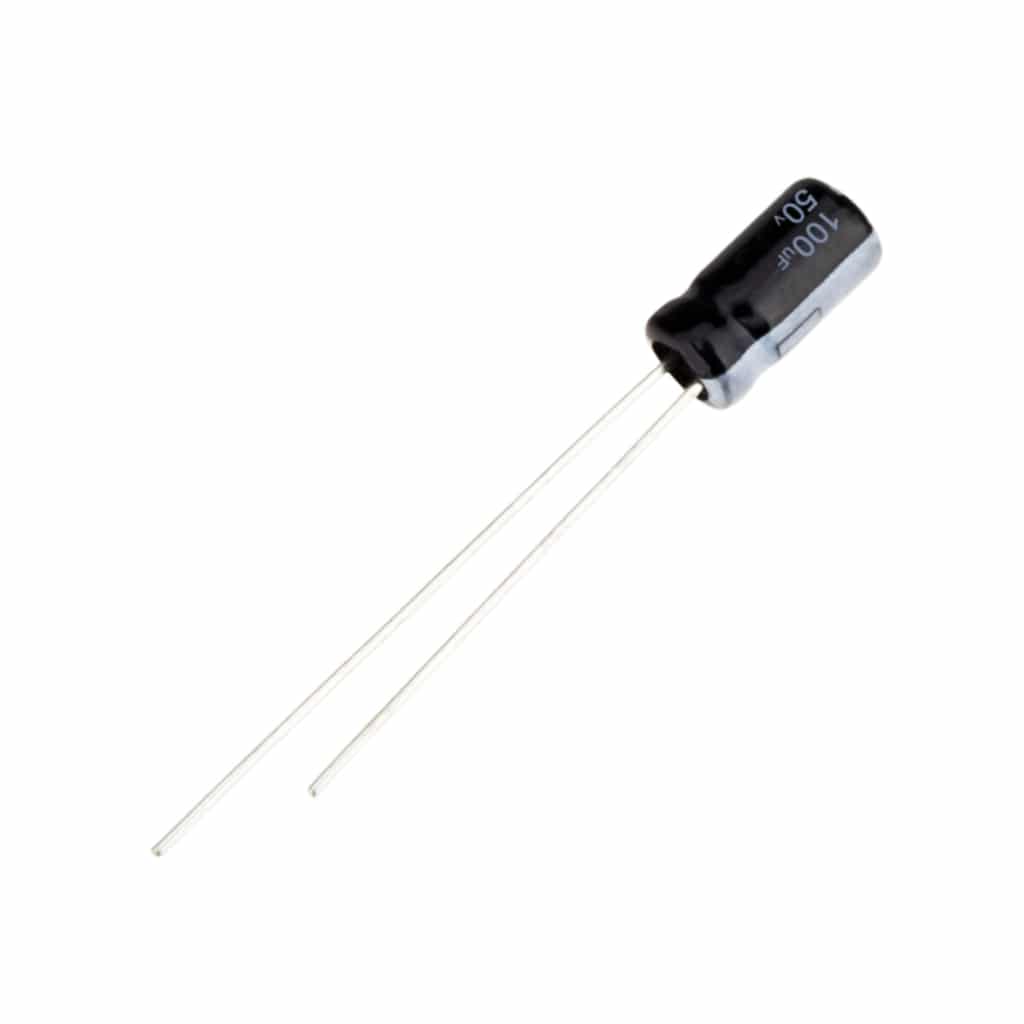
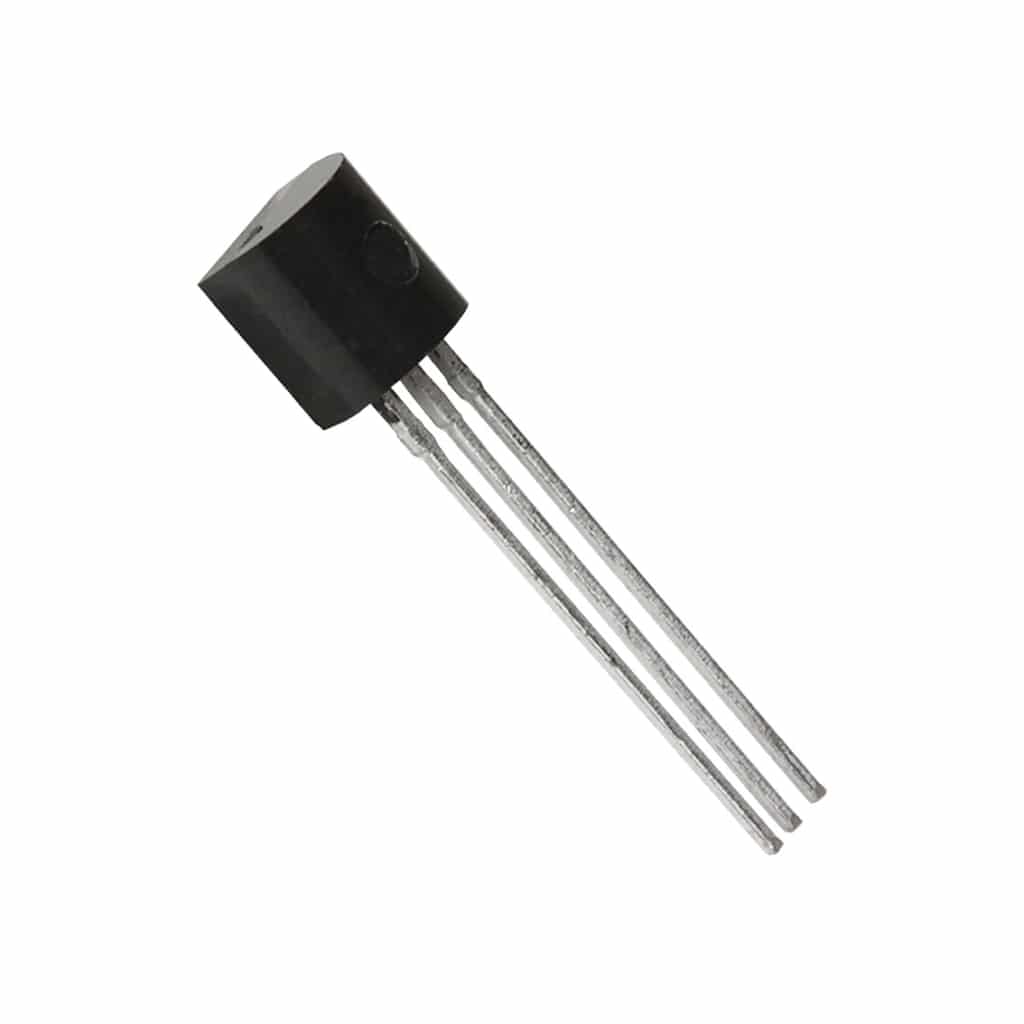
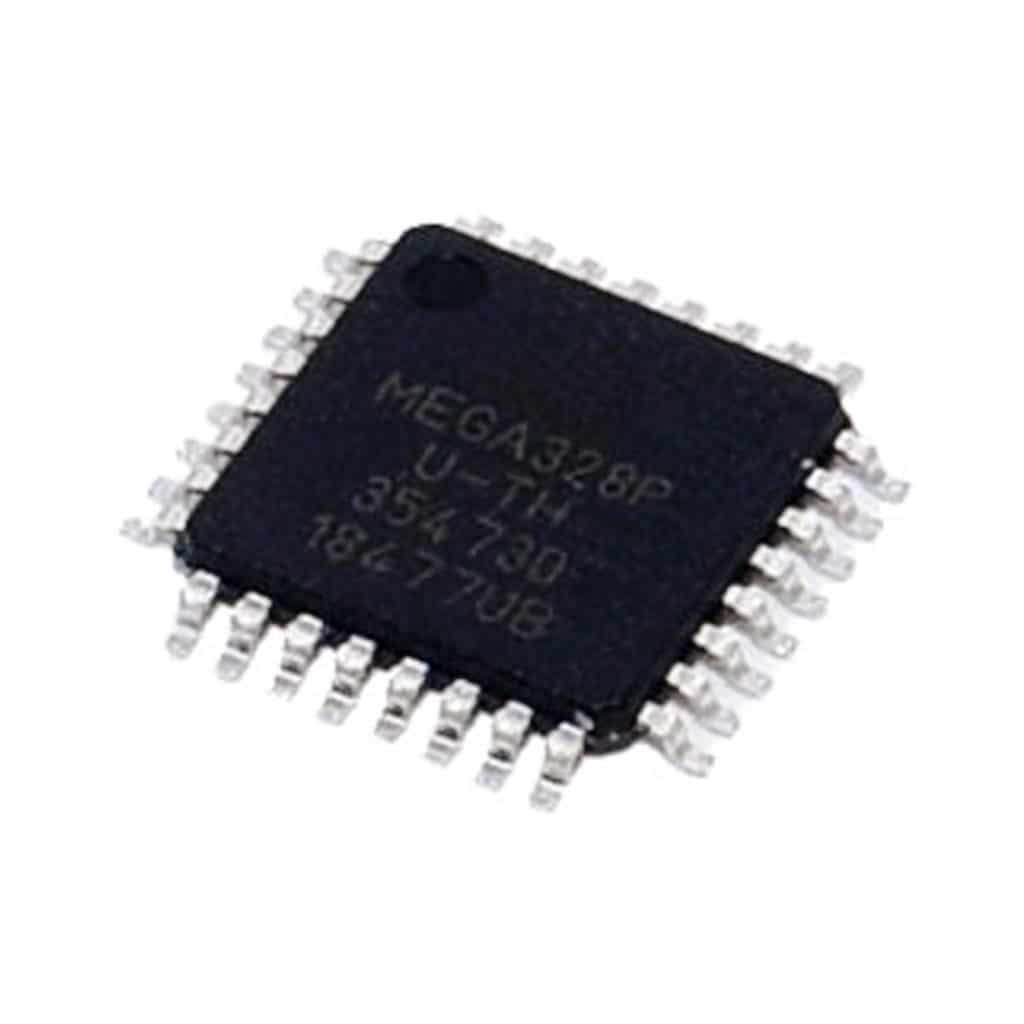
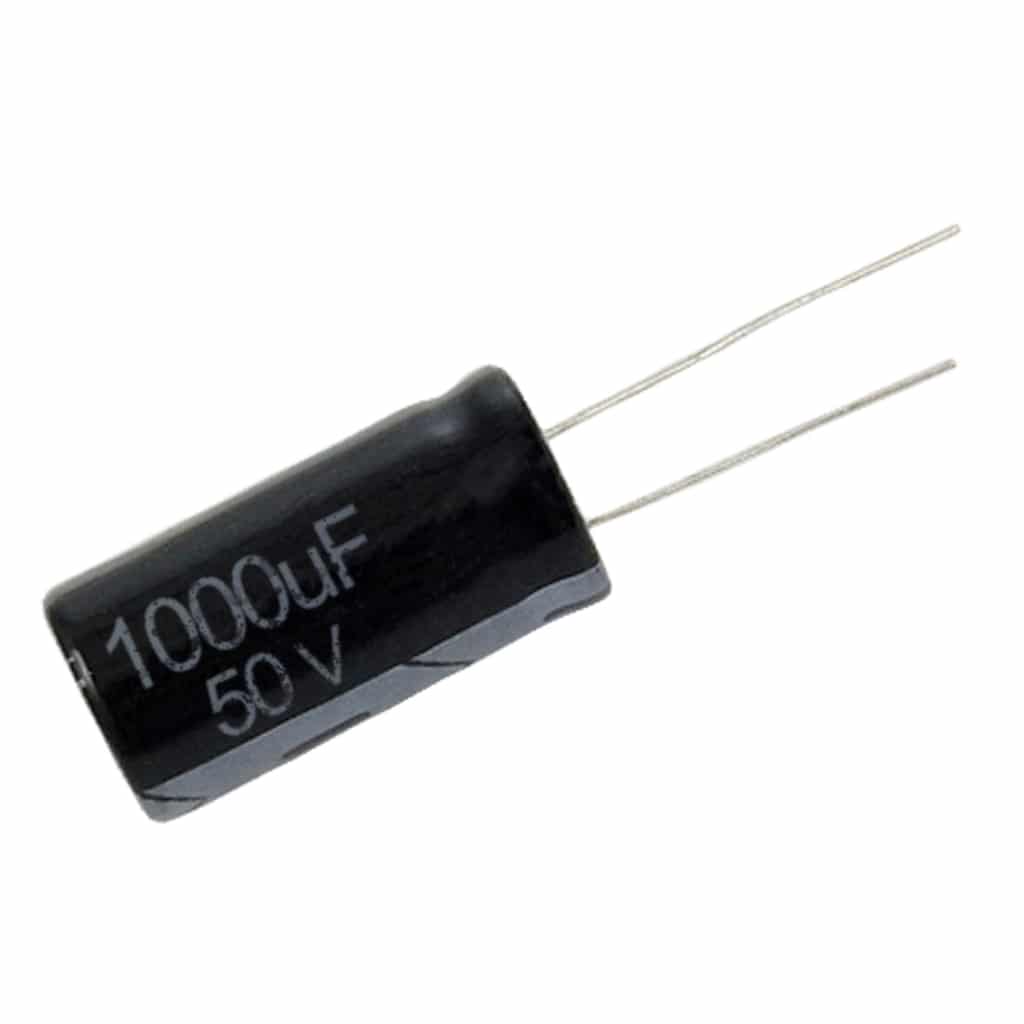
Choosing between SMD vs. through-hole components for your projects? Find your answers here.
INtroduction
Your project can have several requirements when you’re building it. Some example requirements are that it must be space-saving, low profile, or can be assembled by hand. These requirements may need the correct component types. For this, you must know when to use SMD vs. through-hole components.
Surface Mount Devices (or SMD)
A Brief History of SMD Components
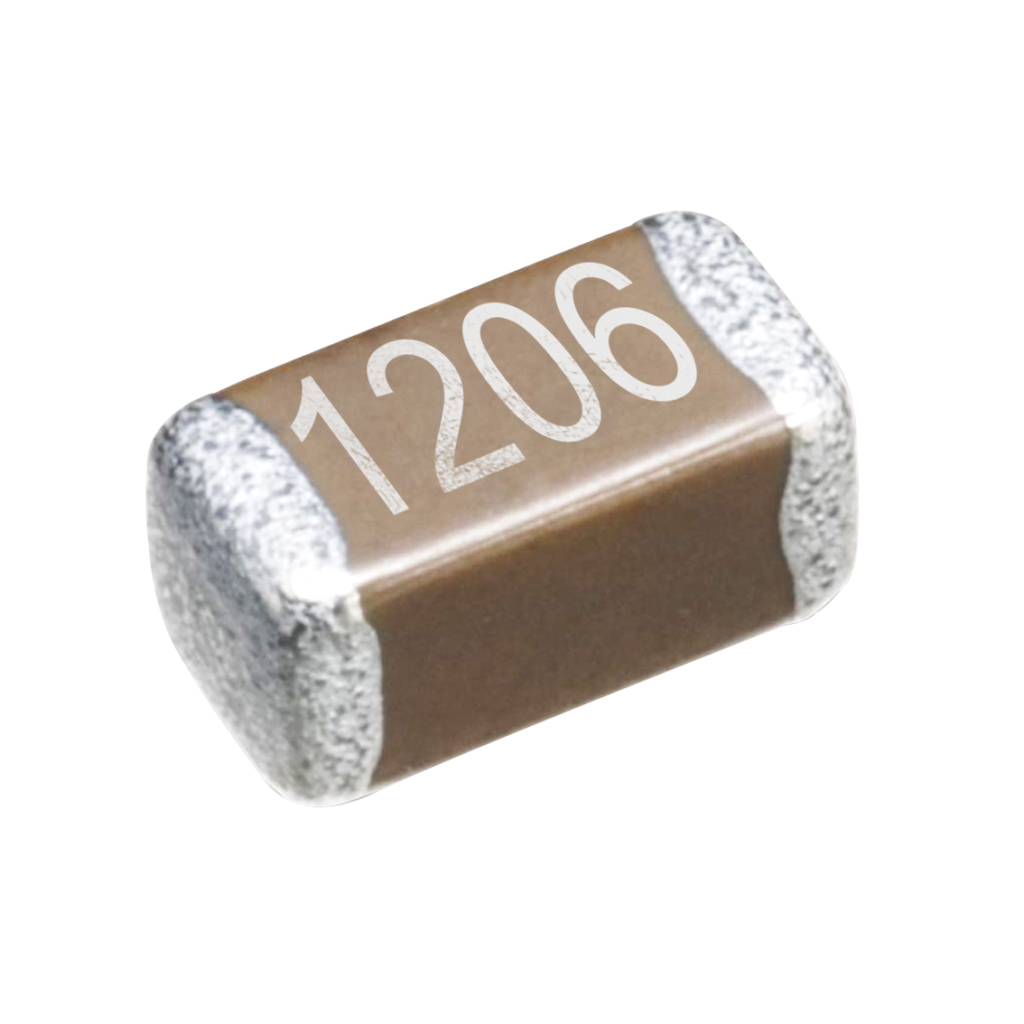
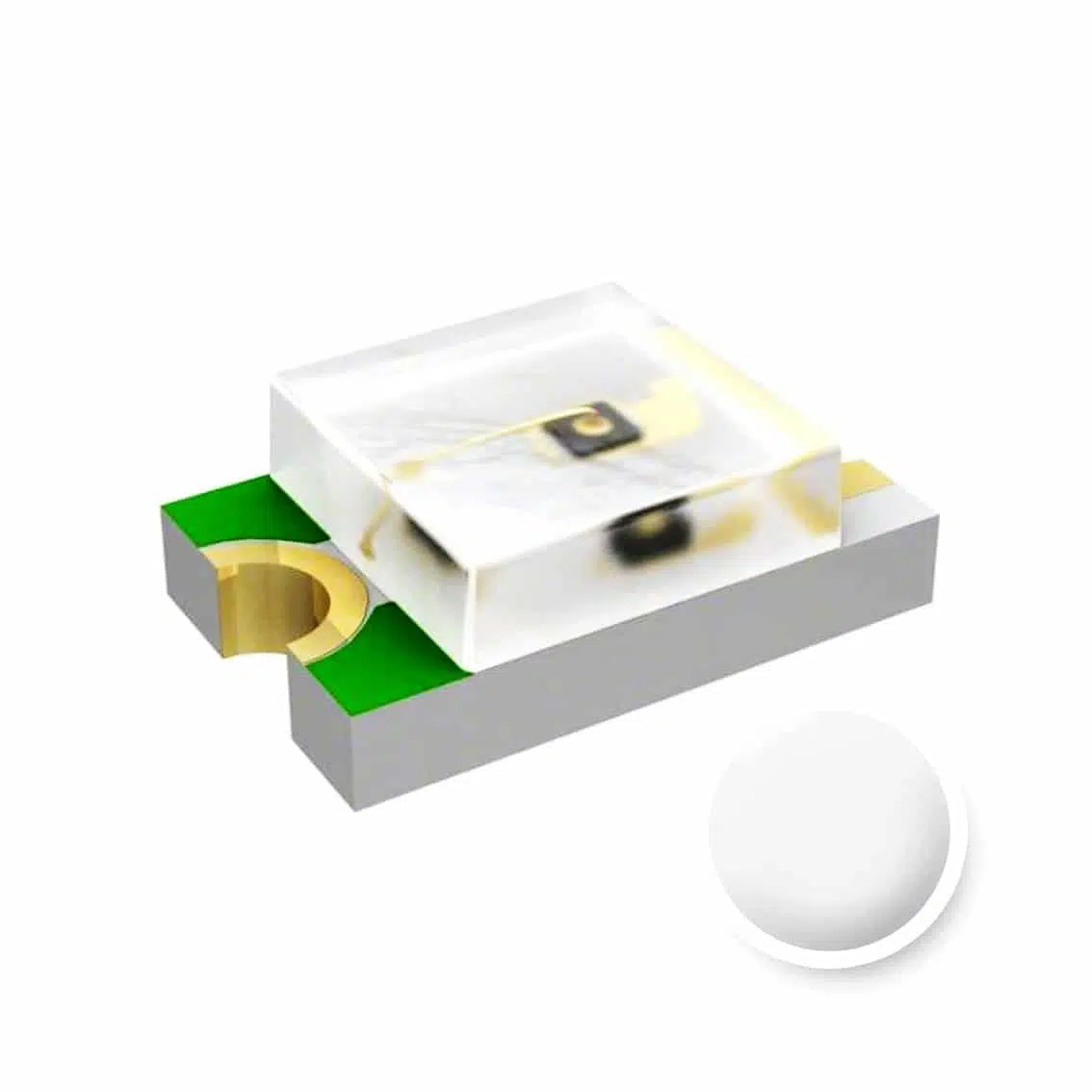
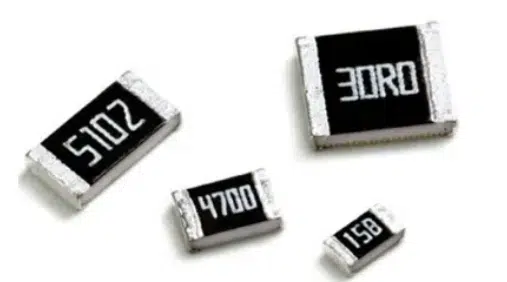
SMD stands for Surface Mount Devices. The technology involved in SMD is Surface Mount Technology (or SMT). SMDs were developed by IBM in the 1960s, and called the process of mounting SMDs as planar mounting. However, its popularity grew only in the 1980s. Bit by bit, companies started adopting SMD technology into their designs because of its miniaturization, higher circuit density, and ease of assembly by machines. By the late 90s, SMD technology had been adopted by most electronic companies.
Advantages of Using SMD Components
There are several key advantages of using SMD components:
Smaller component packaging
Smaller PCB footprint
Ease of assembly using a pick-and-place machine.
Cheaper to produce
Low profile packaging
Disadvantages of Using SMD Components
There are also disadvantages to using these kinds of components:
Harder to assemble by hand
Easily misplaced
Limited power capability for some components
Stricter PCB Design rules
RF considerations for some components
Through Hole Components
Brief History of Through Hole Components
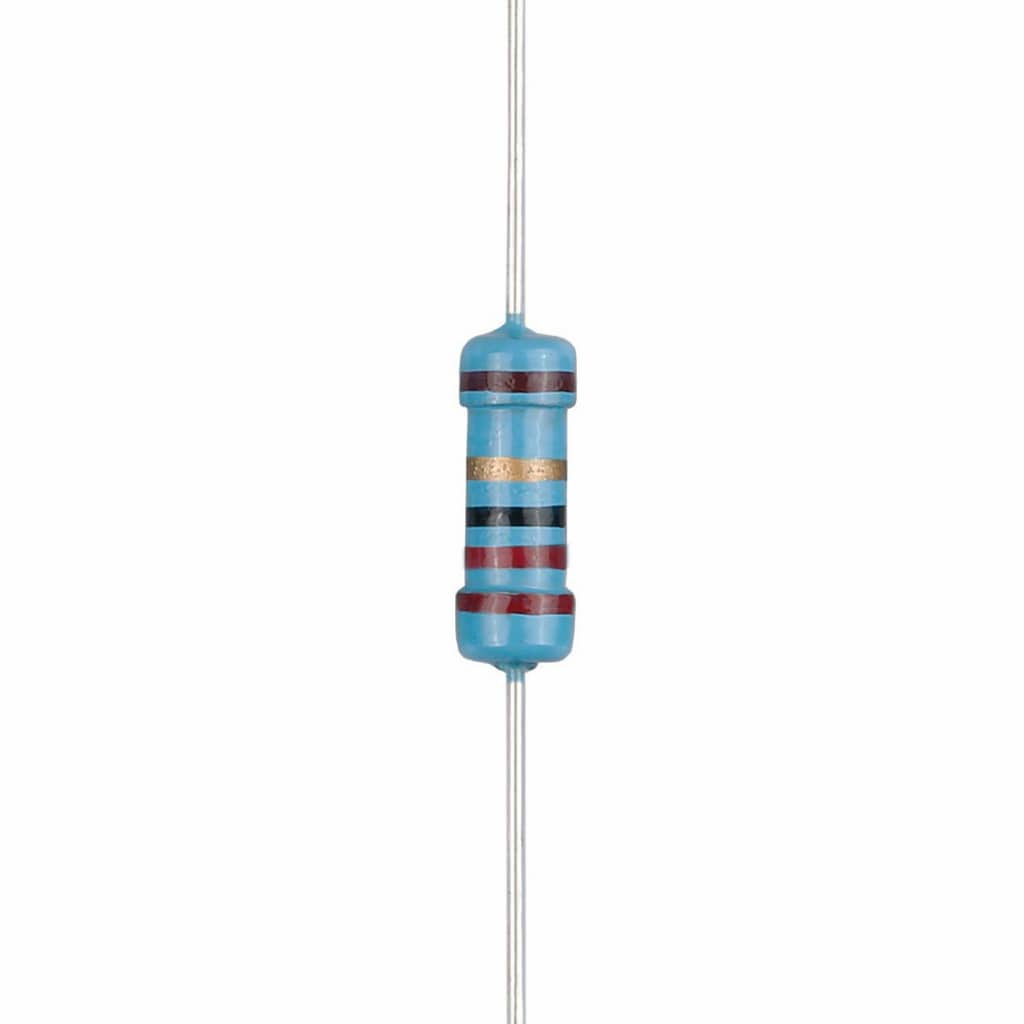
The earliest use of through-hole components was in military and industrial settings during the 1940s. The connections these components made were durable with good electrical properties, perfect for the said applications. Eventually, through-hole technology became a standard in most electronic assemblies. Their application extended to multi-layer PCB designs through plating technology (plated through hole). The technology involved in through hole components is called through hole technology (THT).
As technology developed, during the 1970s, automated assembly machines were made to cater for handling through-hole components. Such machines as axial and radial inserting and wave soldering machines can be found in most PCB assembly houses. Nowadays, though, starting in the 80’s, more and more designs are being done in SMT because of the cost savings and ease of automated assembly with a pick and place machine.
Advantages of USing Through Hole Components
Still, through-hole technology (THT) has some advantages over surface mount tech (SMT).
Ease of manual soldering and assembly
Great for learning and educational purposes
Some higher wattage components are available only in THT version.
Some have better EMF and RF behavior in THT form.
Some have better, more durable electrical and mechanical connection.
Disadvantages of Using Through Hole Components
Here are the disadvantages in using through hole components.
Generally, larger packaging size than SMD. Takes a lot more space on your board.
More expensive to assemble when taken to a fab house
Higher profile component
Conclusion
This article made a comparison between SMD vs. Through hole components. The advantages and disadvantages of each component type was discussed. It’s up to your application to choose what kind you’ll need.