Are you deciding whether to 3D print or go with traditionally manufactured enclosures for your project? Read through this article to get an idea.
Introduction
The advent of 3D printing paved the way for creating custom enclosures for your projects. Although 3D printed enclosures can be made quickly and easily (and can be customized), there are still advantages to purchasing a factory-made case or enclosure. Read through the rest of the article to learn about traditional manufacturing vs 3d printing enclosures.
3D Printing your Plastic Enclosures
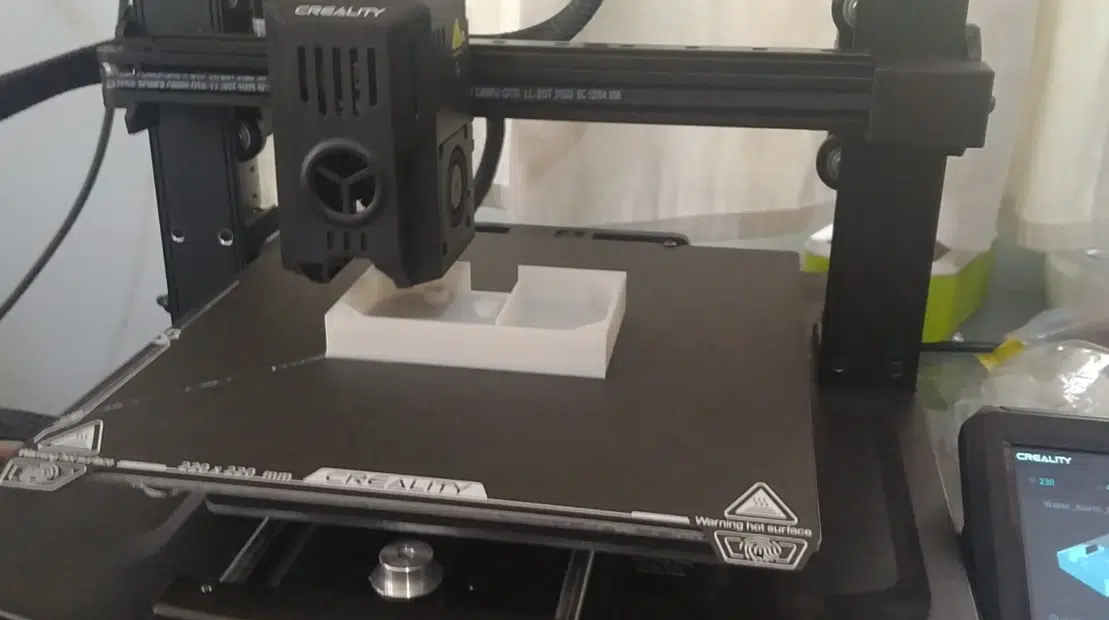
A quick and easy way to produce an enclosure is through 3D printing. Typically, you can download an existing 3D model (.STL format or other formats) or create your own using CAD software (such as FreeCAD or Fusion 360). After that, you can import your model into a slicer software such as Prusa Slicer or Creality Print, so that you can send it in G-code format and print it to your 3D printer.
Advantages of 3D Printing
Quick prototyping and iterations of designs.
Customize everything from measurements, logos, design, etc.
Expensive injection molding is not required.
You can choose between different plastics such as PLA, PETG, ABS, etc.
However, there are some caveats in 3D printing. You must avoid overhangs. Tolerances can be an issue with some low-end 3D printers. Additionally, room temperature, humidity, etc., can affect your final print.
Disadvantages of 3D Printing
There is a learning curve in starting 3D printing.
Overhangs limit design flexibility.
Scalability is limited for large-scale mass production.
It may not come with regulatory compliance.
It may not be as durable as some injection-molded products.
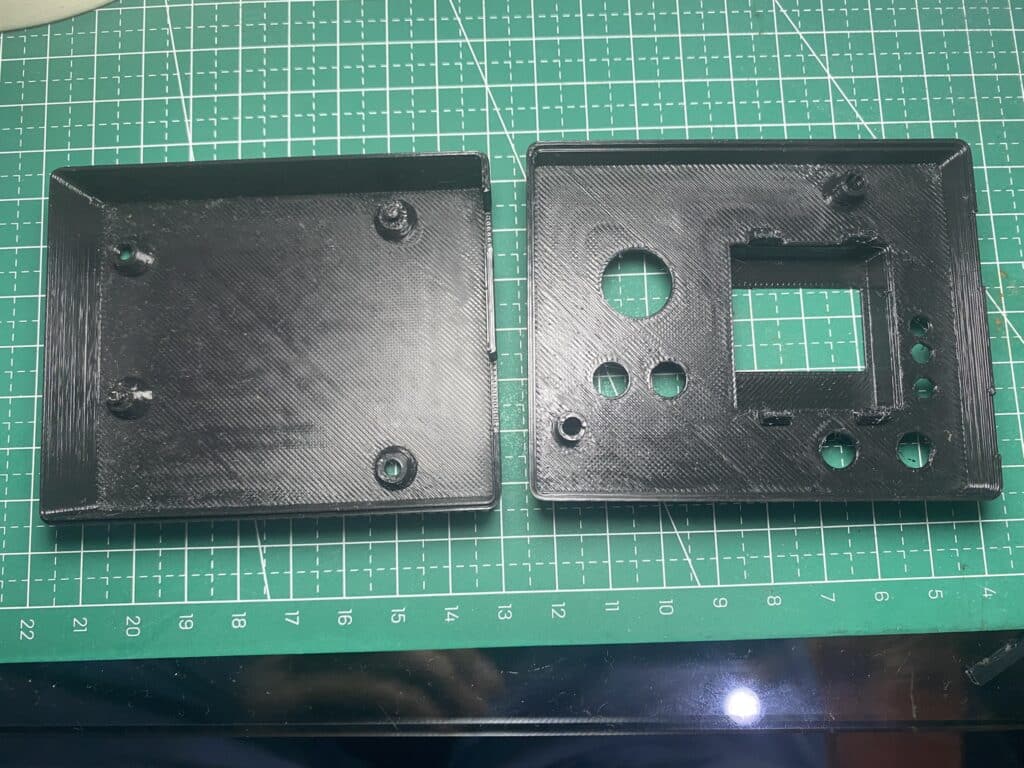
Layer marks are visible.
If you have some problems with the disadvantages, it’s suggested to look into factory made cases or enclosures.
Buying Traditionally Made Plastic Enclosures
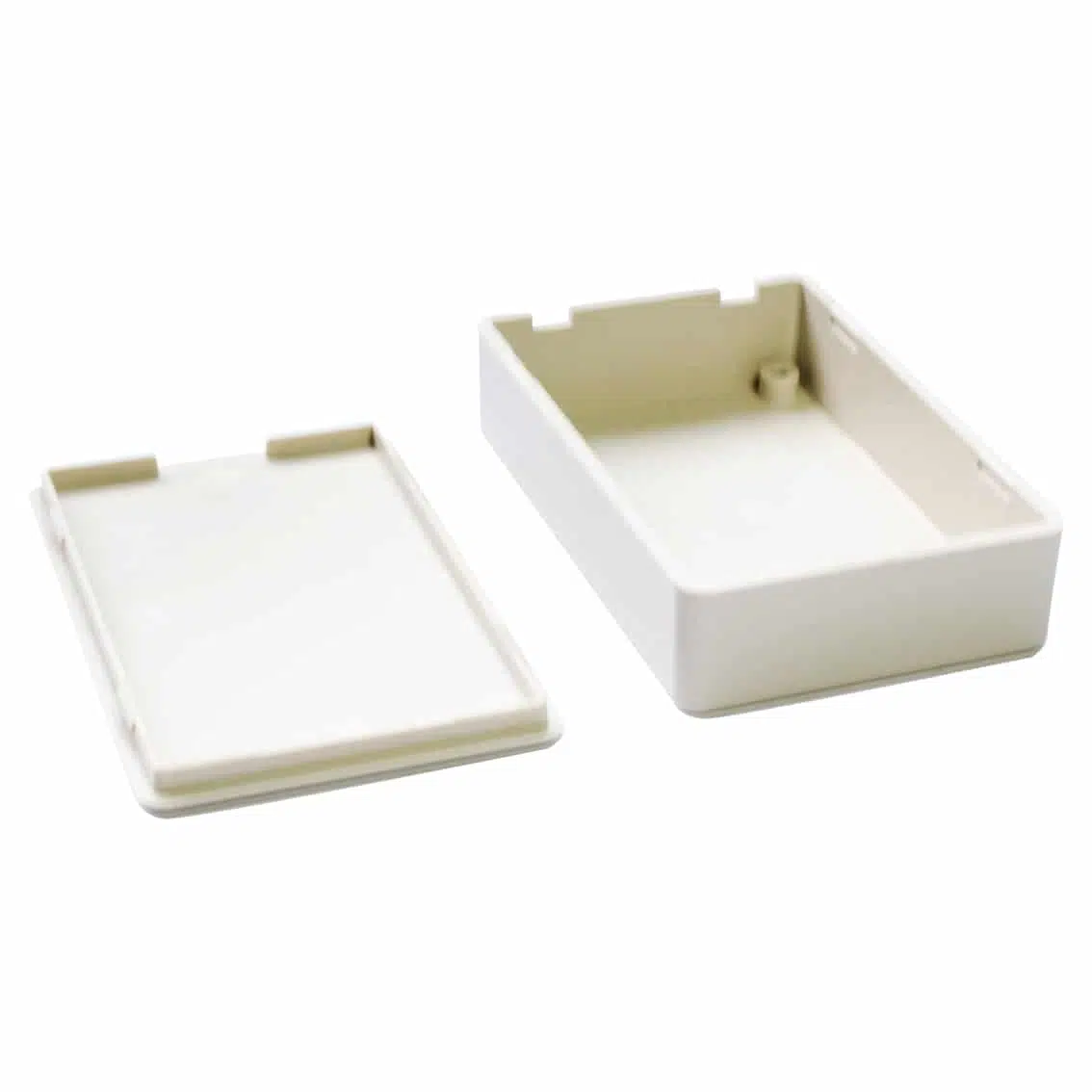
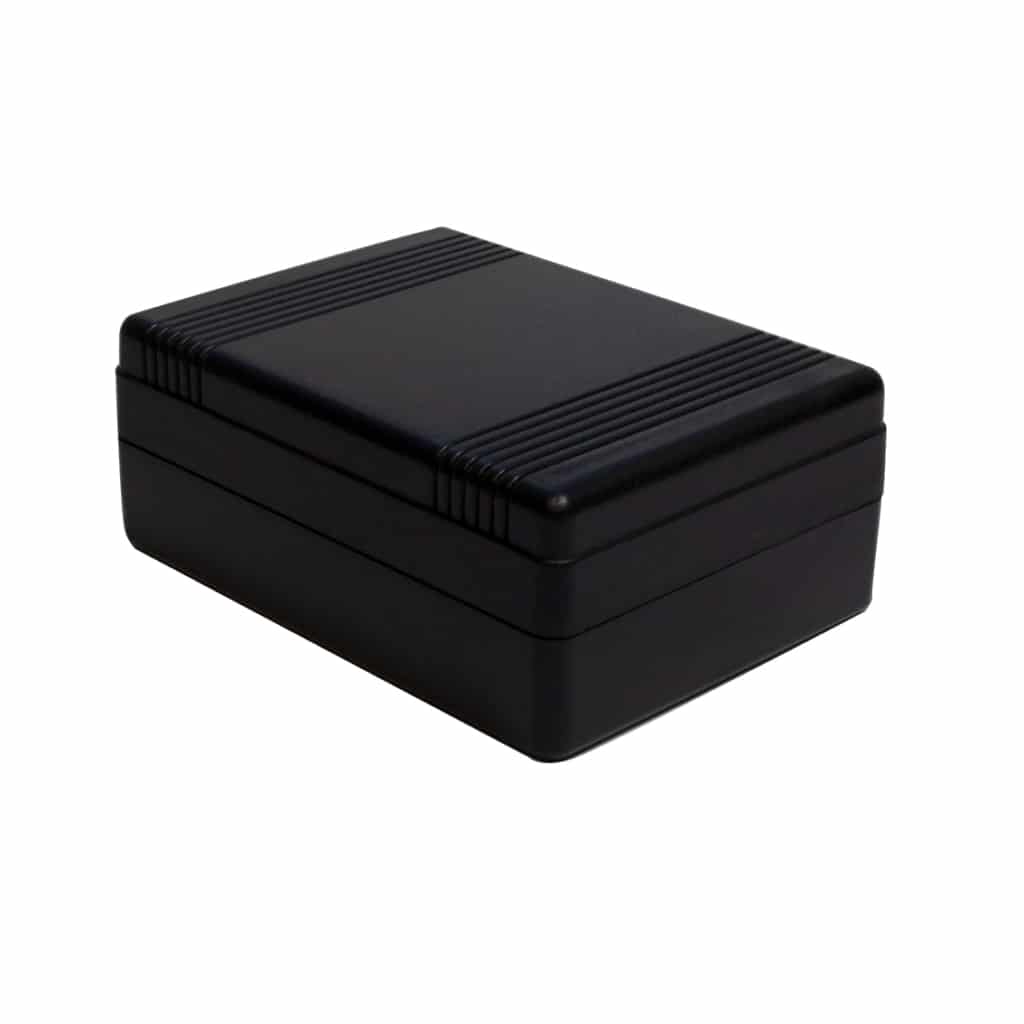
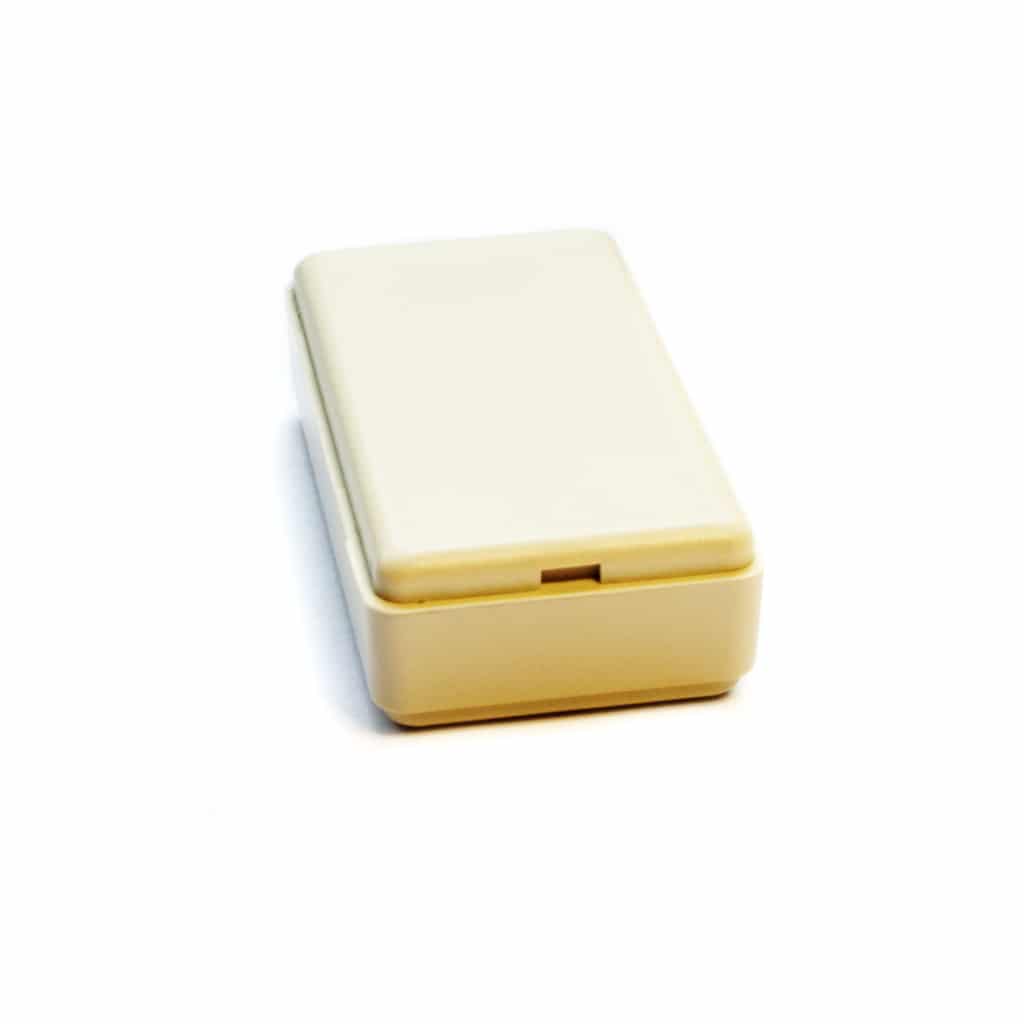
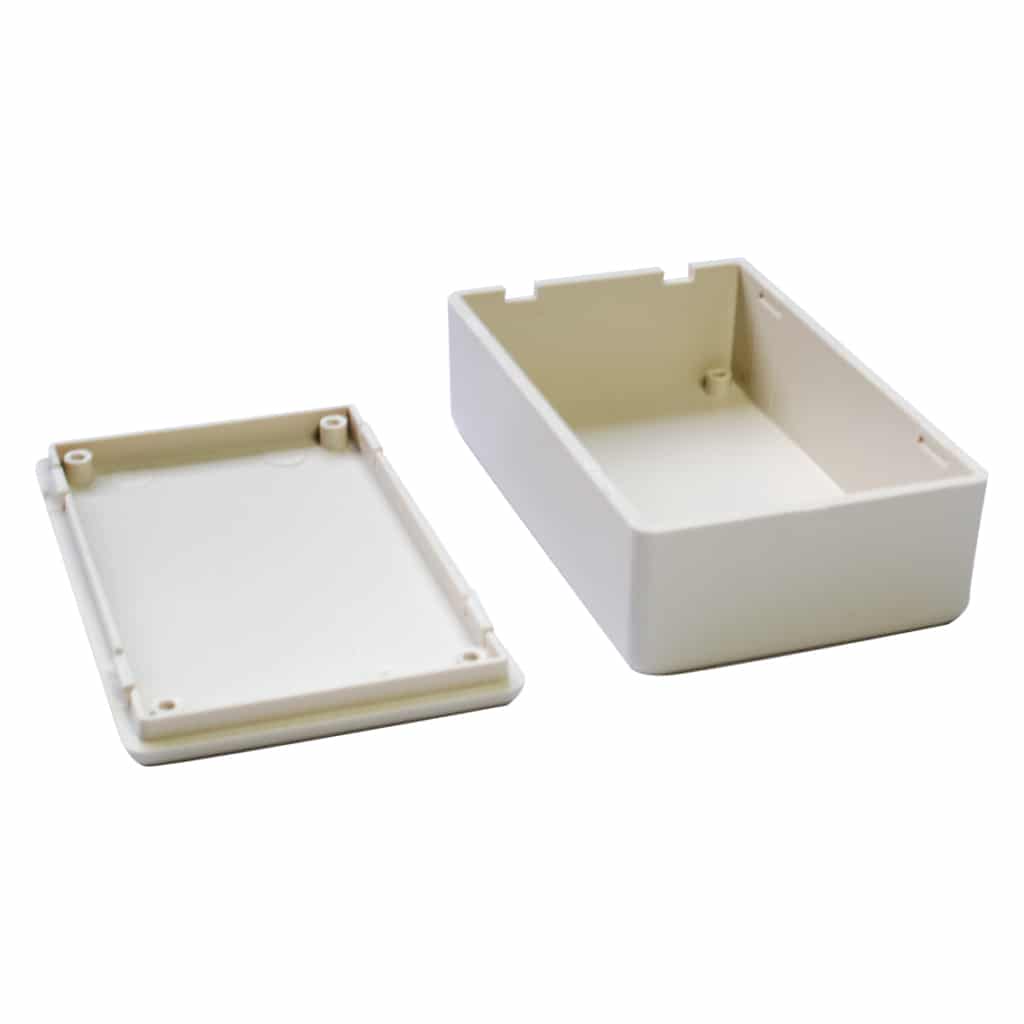
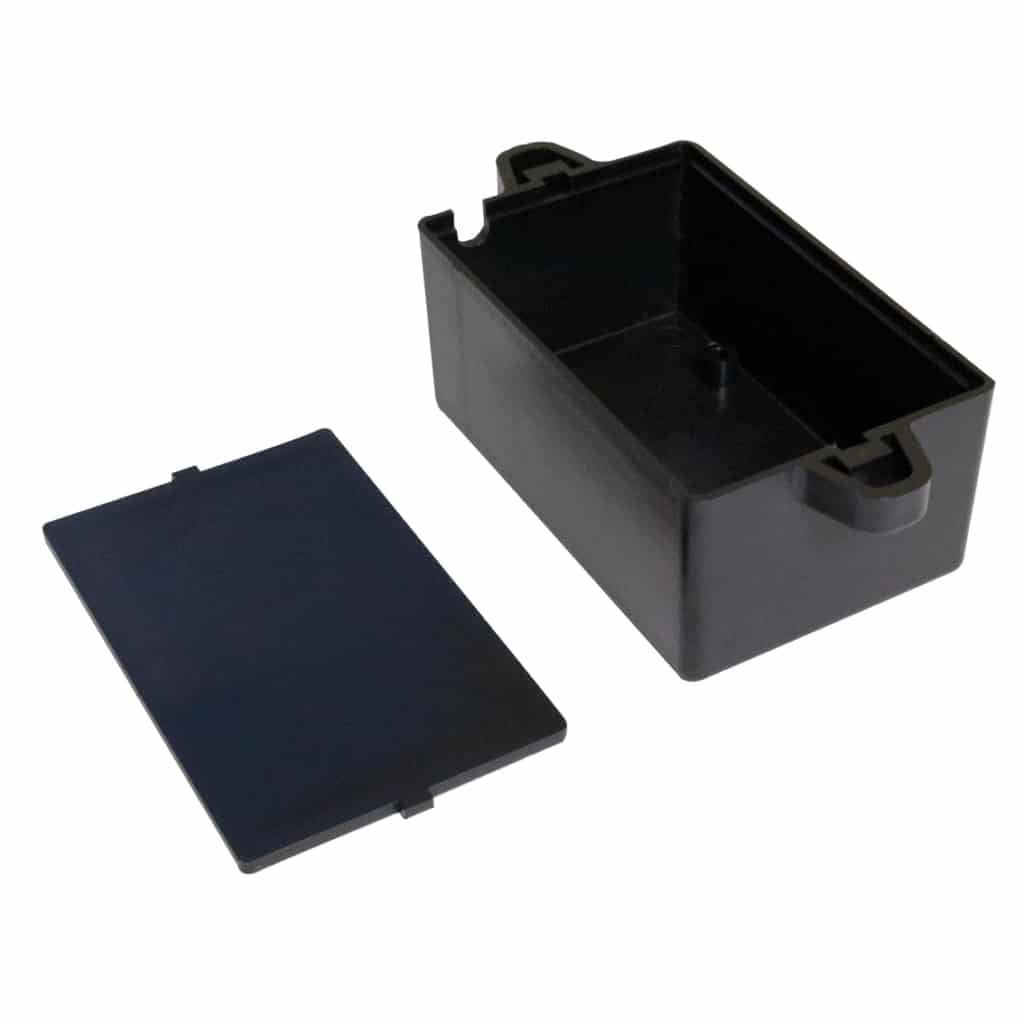
Traditionally made enclosures come out of a factory and are ready to use when assembled. There’s no need to experiment with materials or software; what you see is what you get. If you decide, though, to mass-produce your own, you can use different kinds of technologies, such as injection molding, CNC, etc.
Advantages of Traditionally Made 3D Enclosures
Smooth finish, aesthetically looks more professional.
You can order larger quantities.
More durable, better heat resistance due to the material used (ABS, etc.)
Some follow regulatory compliance (UL 94, ISO 9001, etc.)
Disadvantages of Factory Made 3D Enclossures
If you are the manufacturer, you’ll have a very high upfront cost due to molding.
Limited design flexibility or customizations.
Limited available colors.
Fixed layout.
Conclusion
The article presented the advantages and disadvantages of traditional manufacturing vs. 3d printing. Usually, you’ll choose 3D printing for quick prototypes or small-scale production. For larger quantities, specific material requirements, durability, and regulatory compliance, you can choose traditional manufacturing.